Homestead
homestead
[hohm-sted, -stid]
/ ˈhoʊm stɛd, -stɪd /
NOUN
any dwelling with its land and buildings where a family makes its home.
Homestead
[hohm-sted, -stid]
/ ˈhoʊm stɛd, -stɪd /
NOUN
a town in South Florida.
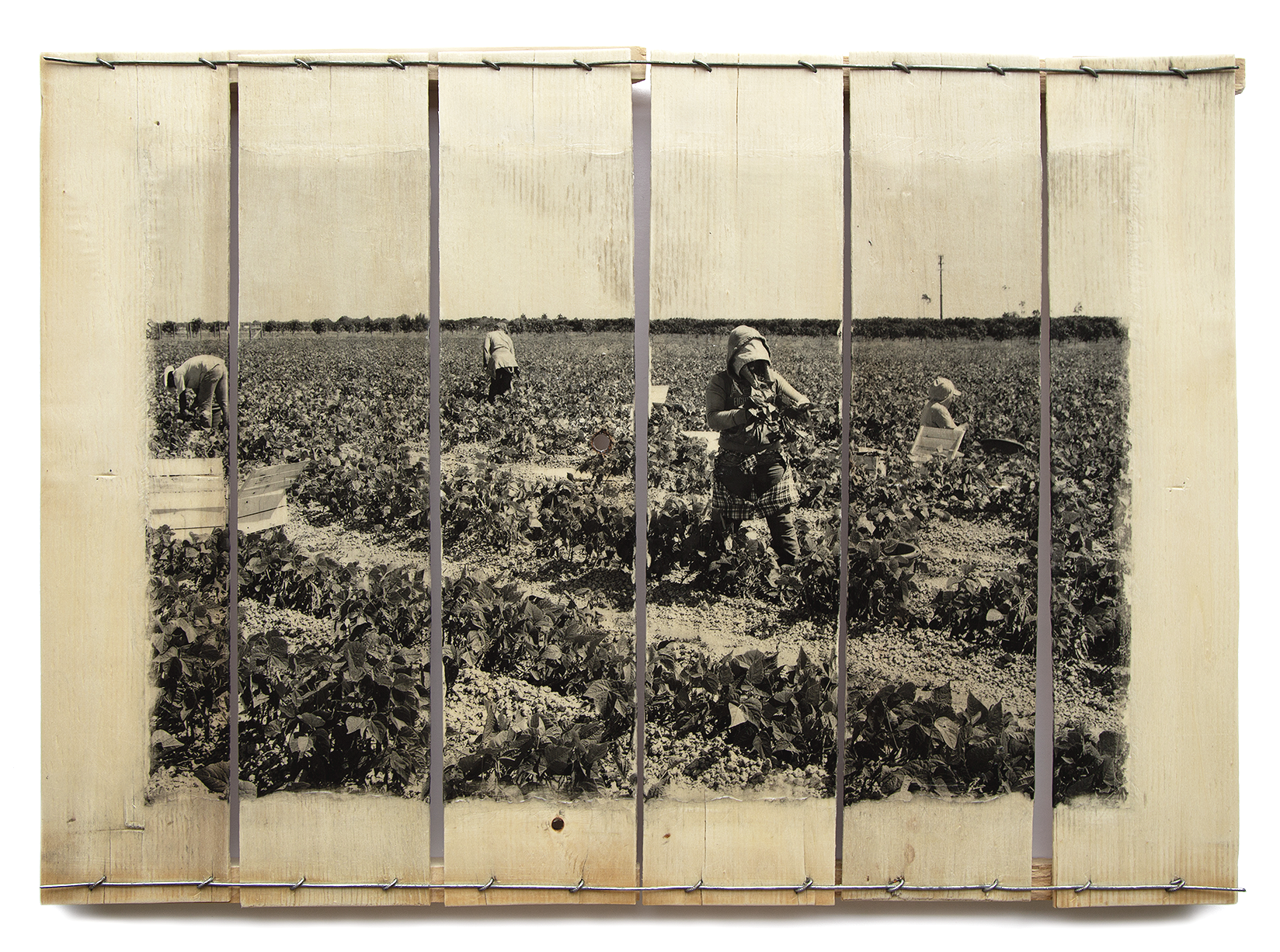
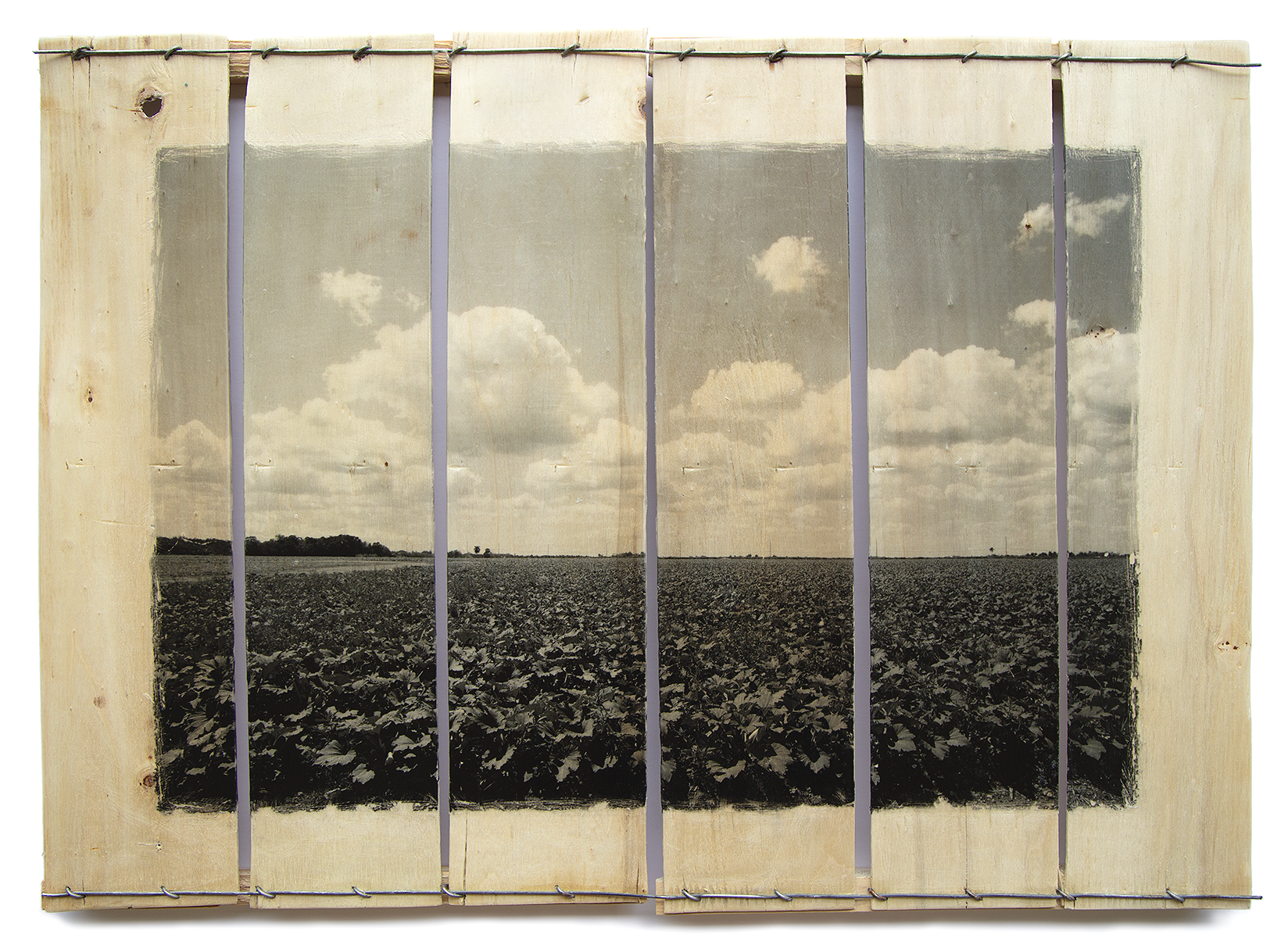
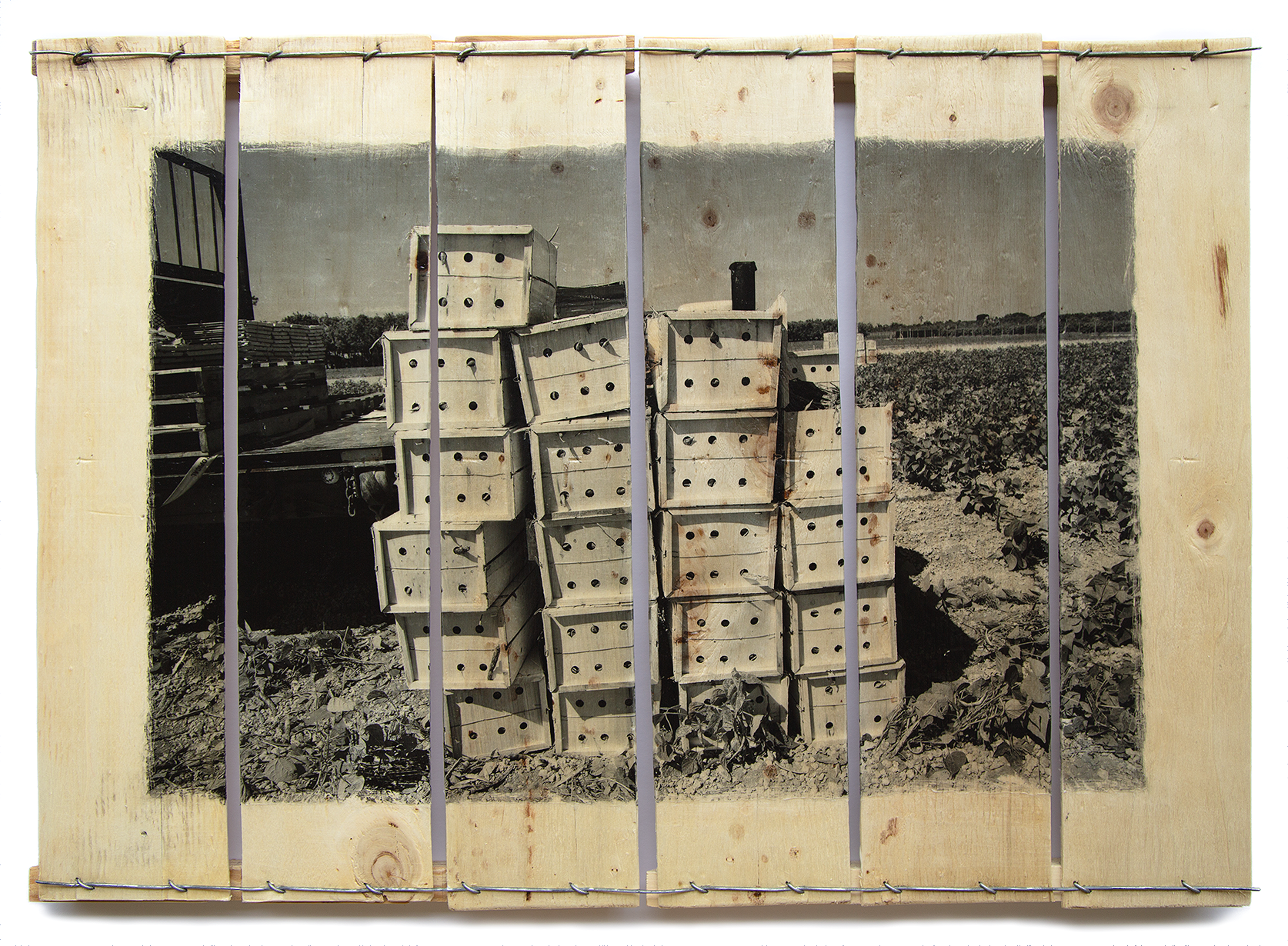
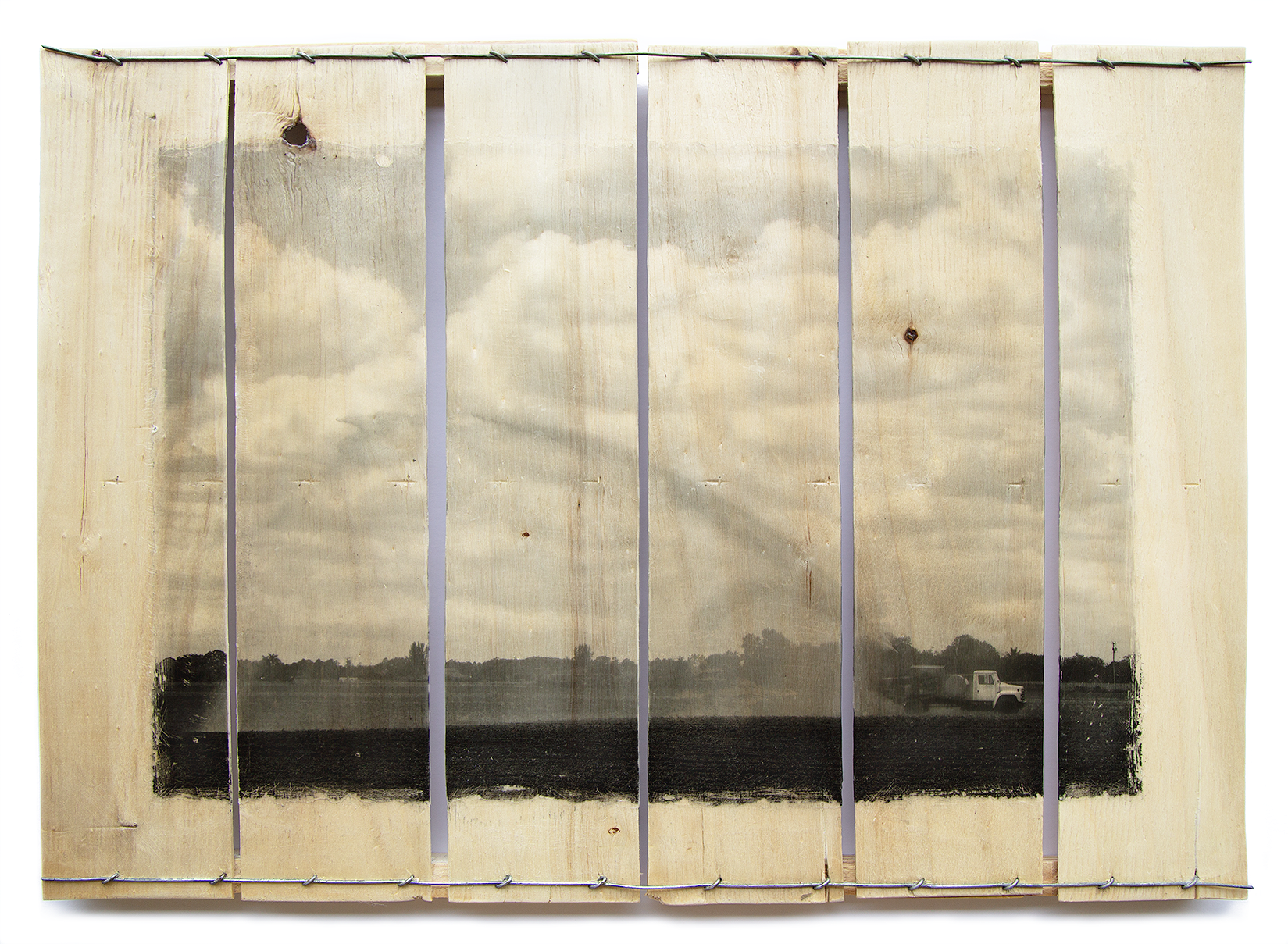
Tucked in between the Everglades and Biscayne is Homestead, FL, where I grew up and spent a good portion of my life. It is known for being the gateway to these areas, but more importantly and less known, it is called by some the breadbasket of South Florida where fruit stands, u-pick farms and roadside markets abound. Like most farming communities, a key component of the agribusiness and community there, as well as across the country, are the immigrants that cultivate and work the land. Due to it subtropical climate and ability to grow crops all year long it is one of the largest providers of Florida’s crops during winter, contributing to Miami-Dade’s 1.4B market value of agricultural products sold in 2022 according to the USDA’s Ag Census.
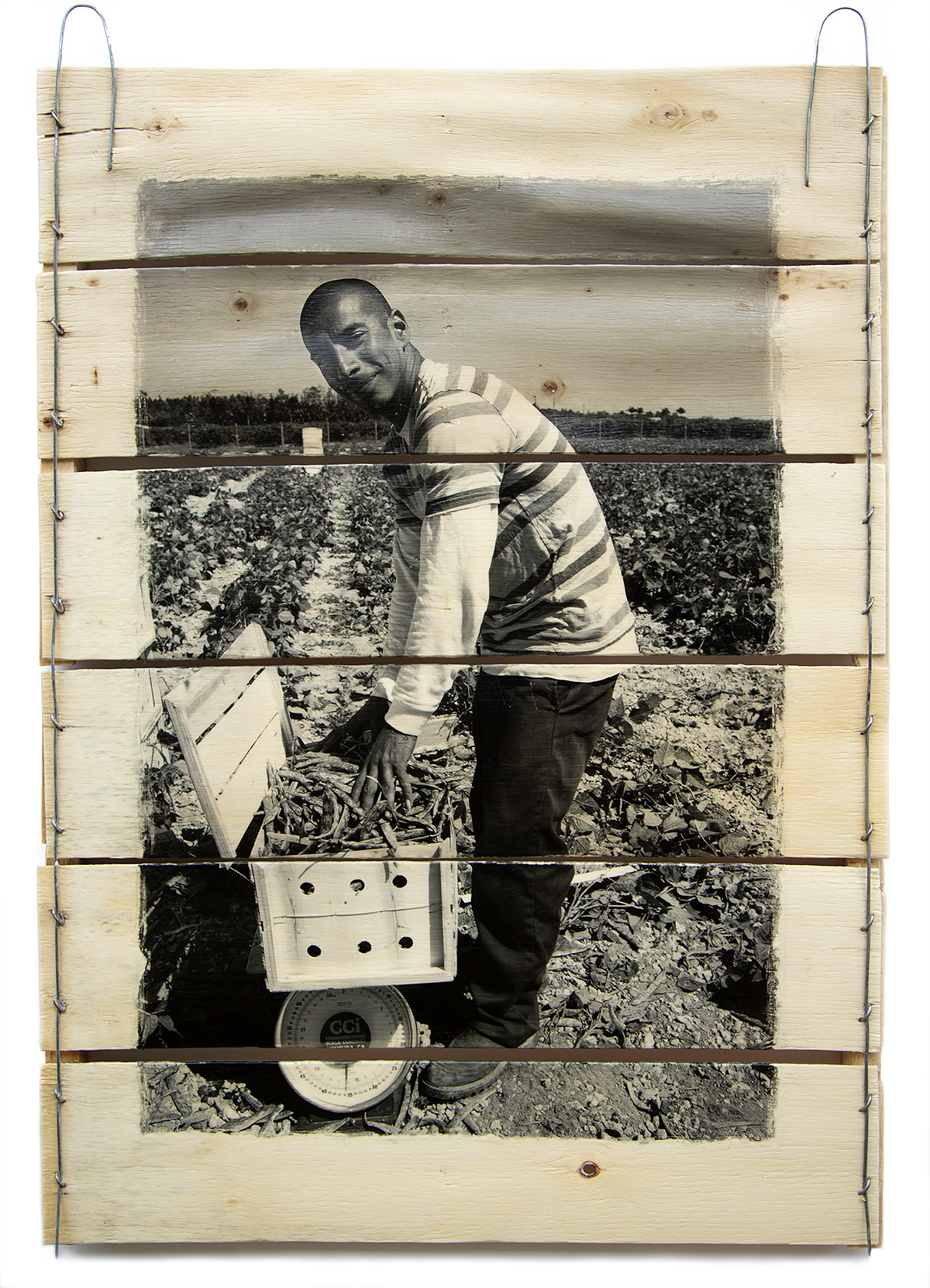
Homestead’s story is ubiquitous throughout the United States, not only for helping sustain the local food supply but for the economy in exports. Its contributions assisted in Florida’s fruit and vegetable exports that totaled $358.1 million and $364.4 respectively in 2024. Also the ornamental plant industry income has ballooned in recent years. Homestead is one example, a microcosm of what is going on across the land, land farmed and worked by immigrants. What is the cost of their absence caused by both fear and detainment? Not only on our economy, but soul of the Nation. Labor shortages, abandoned crops, concern about viability of farms are the tip of the ice berg, with the ever growing presence of ICE threatening to destabilize the country and terrorize communities no longer hidden beneath the surface.
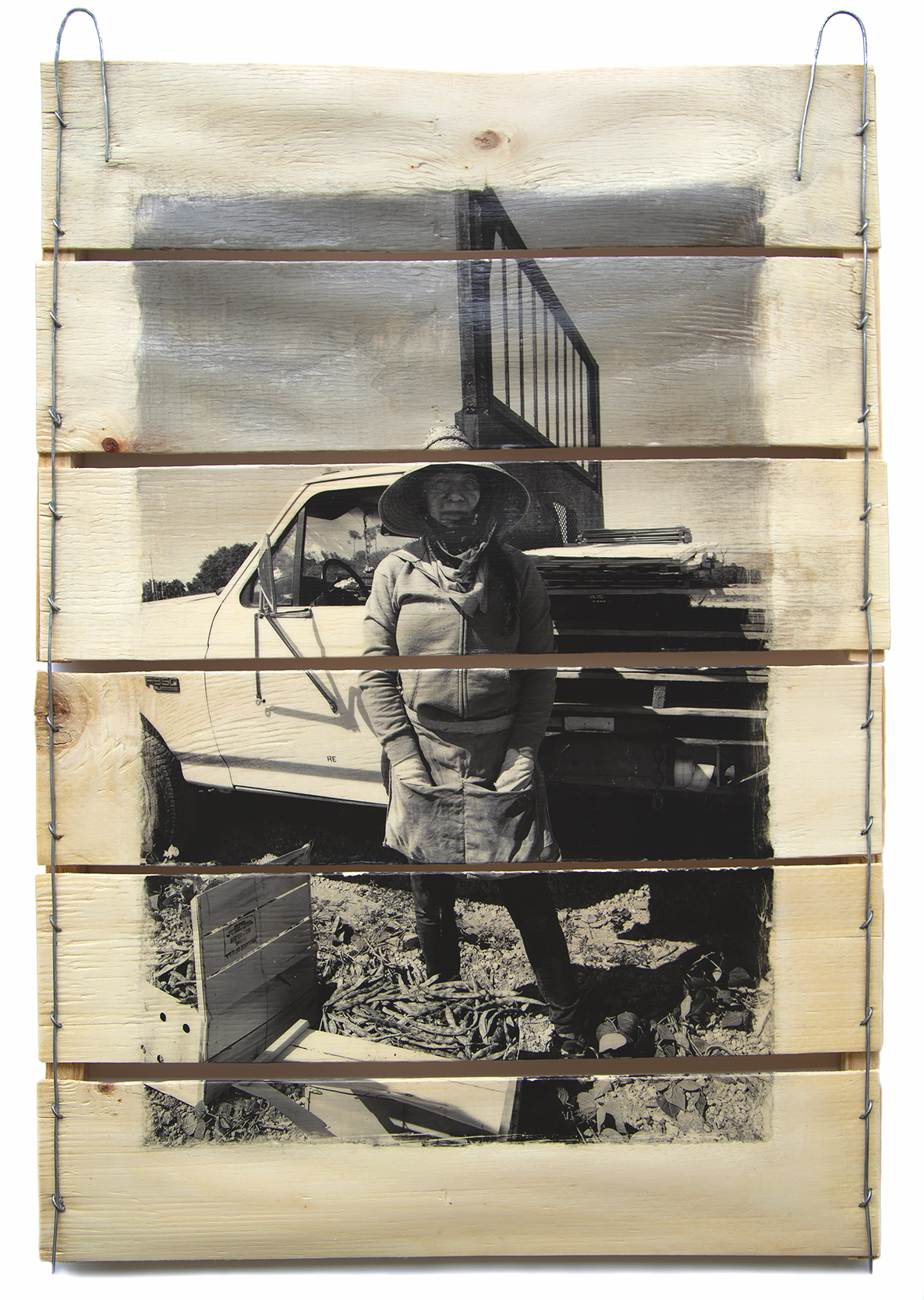
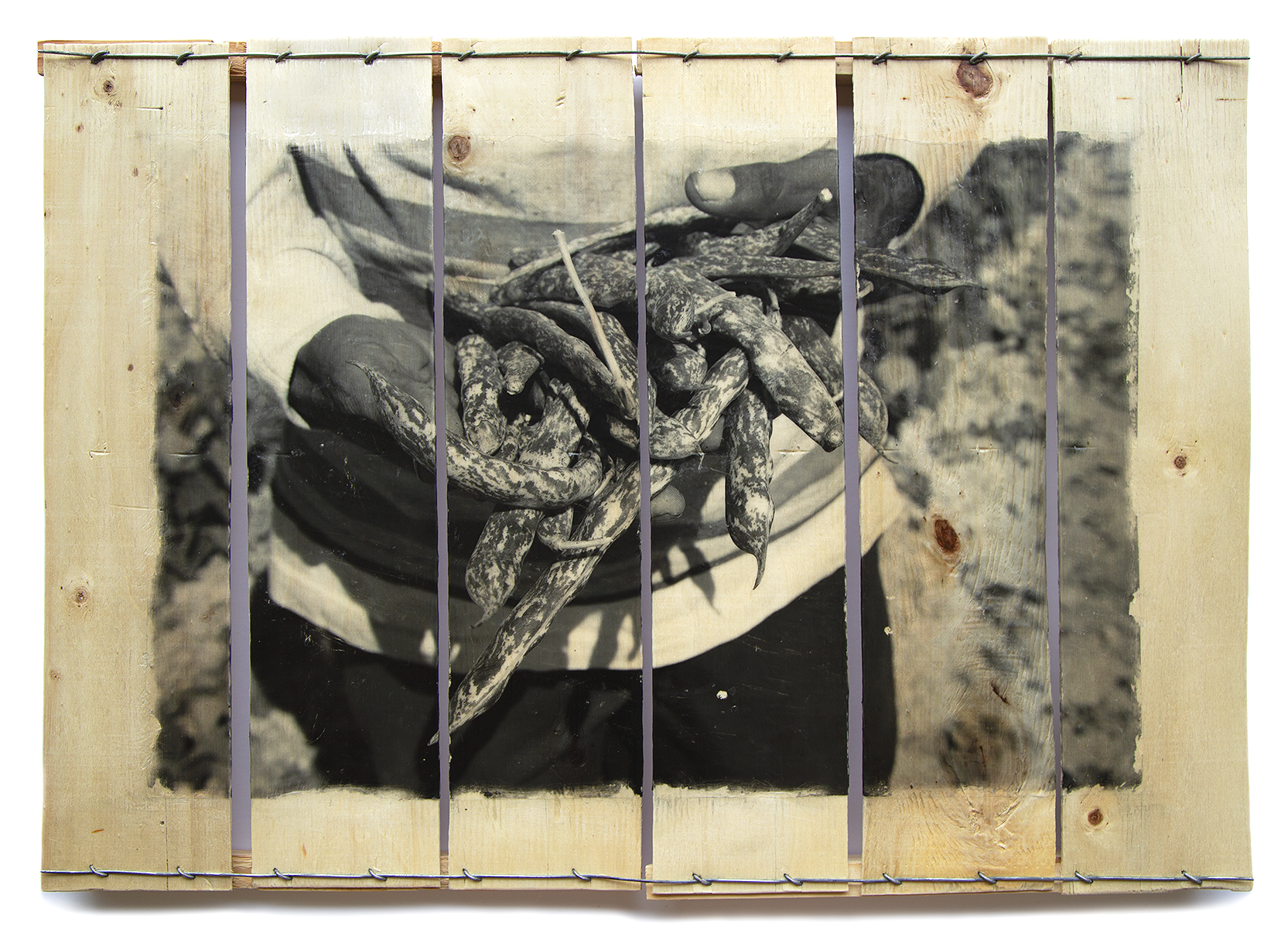
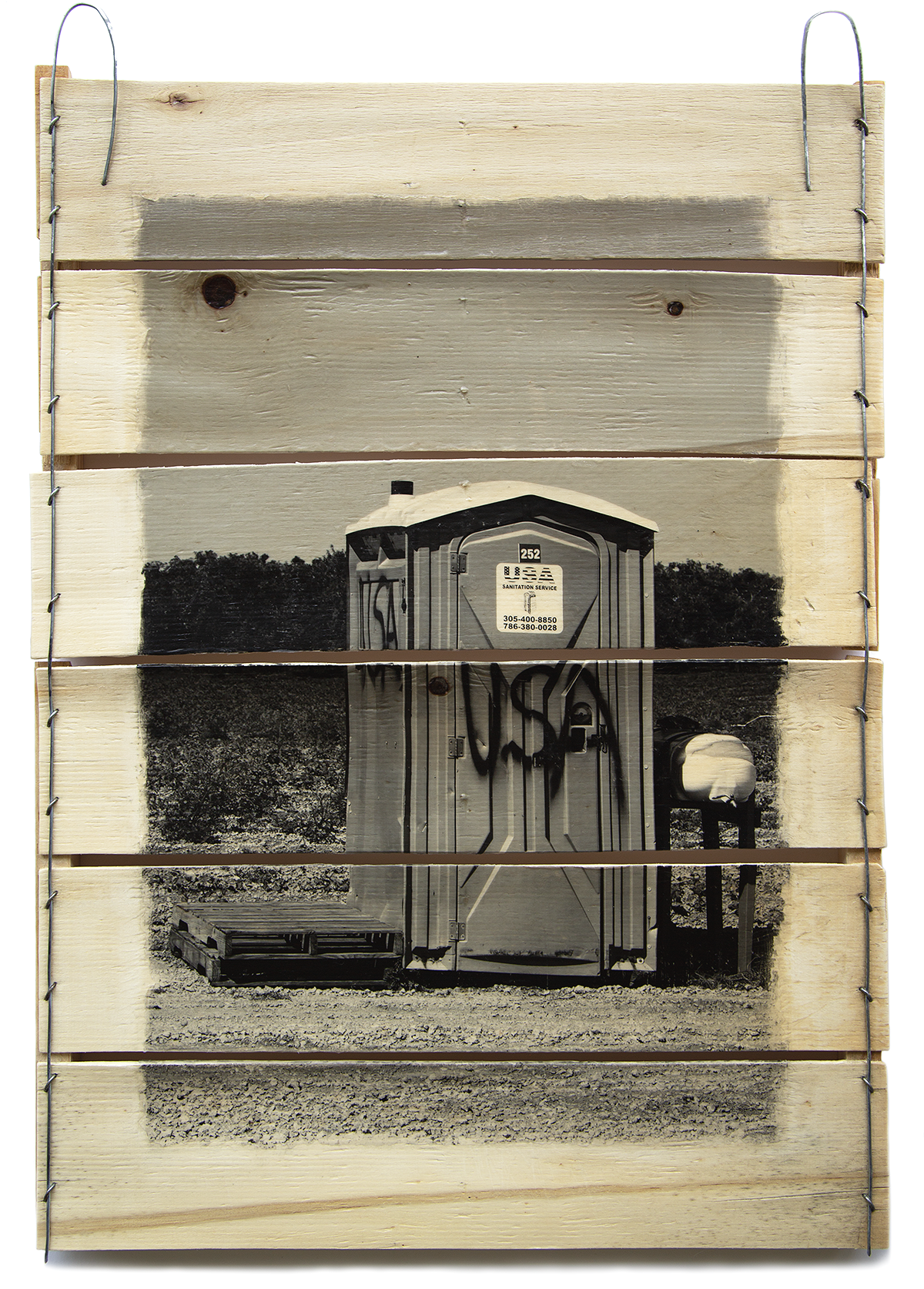
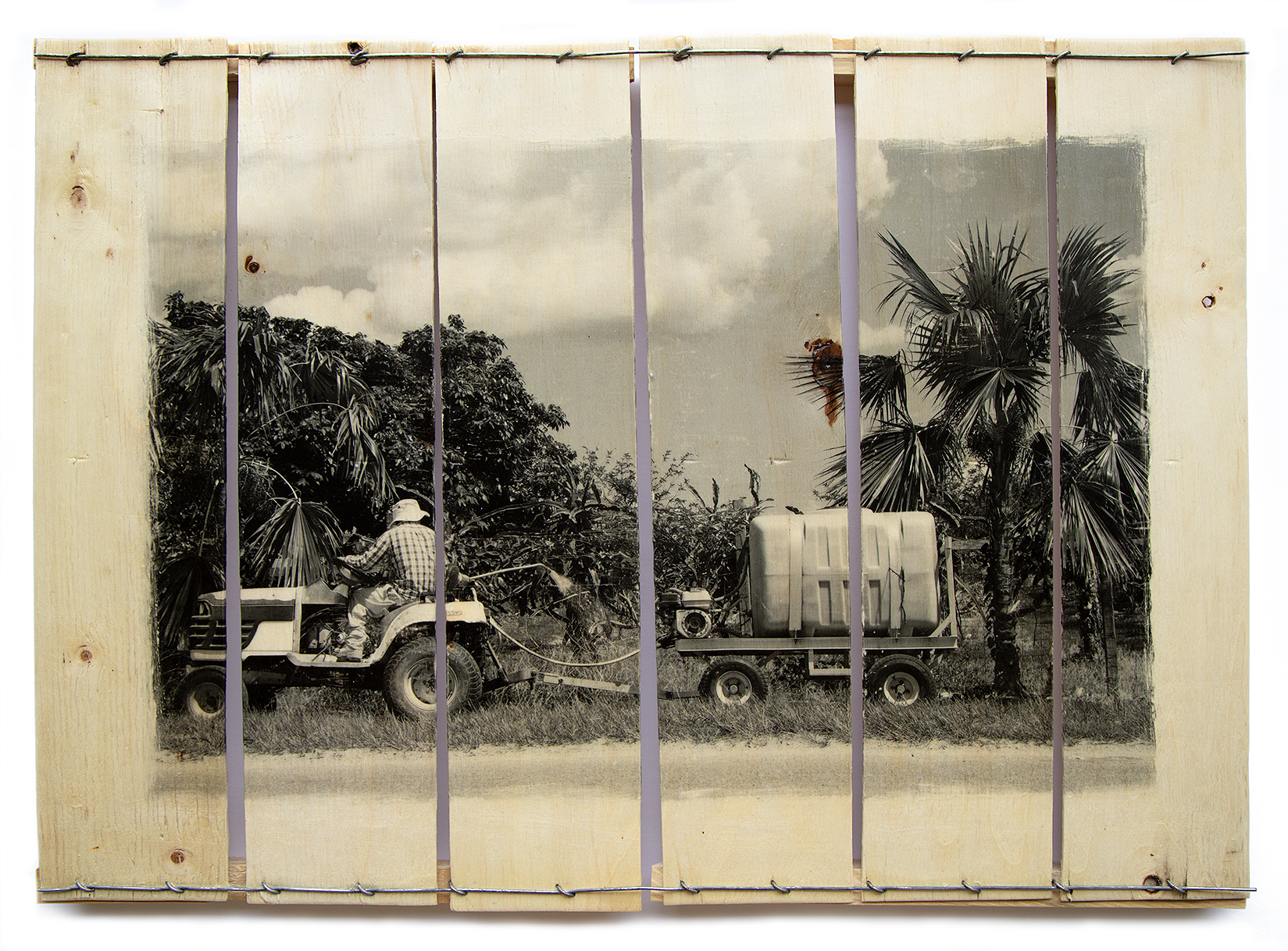
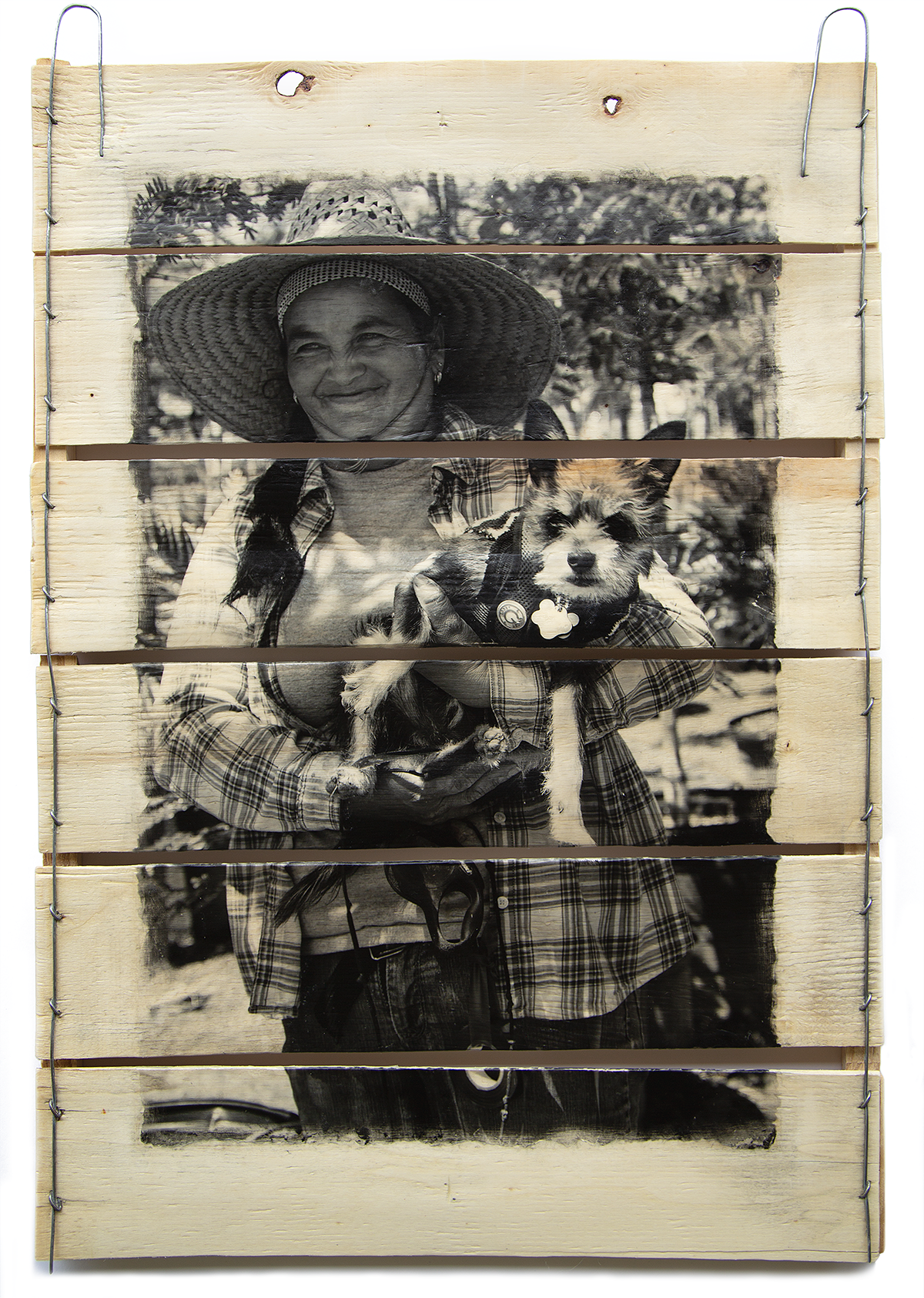
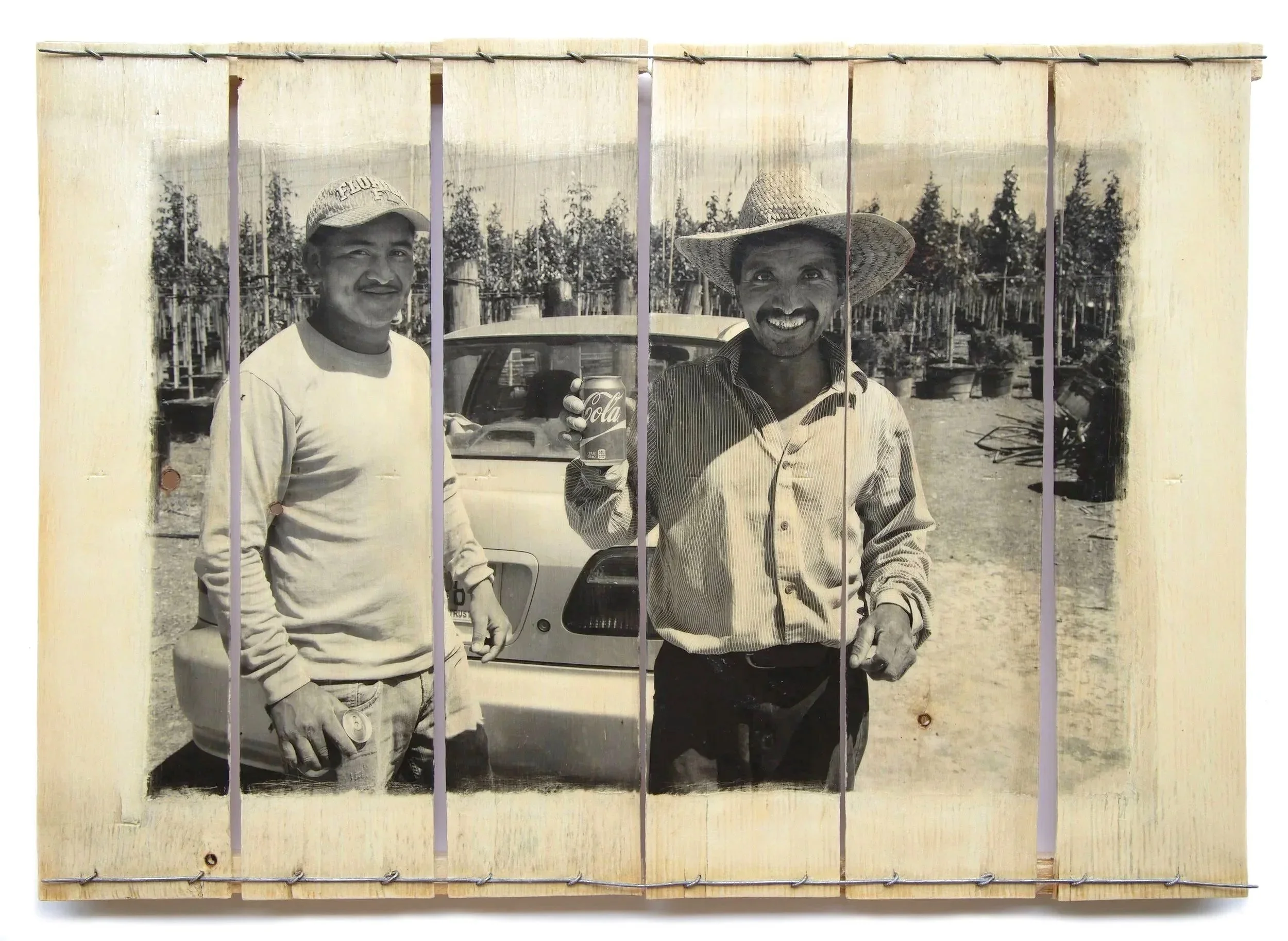
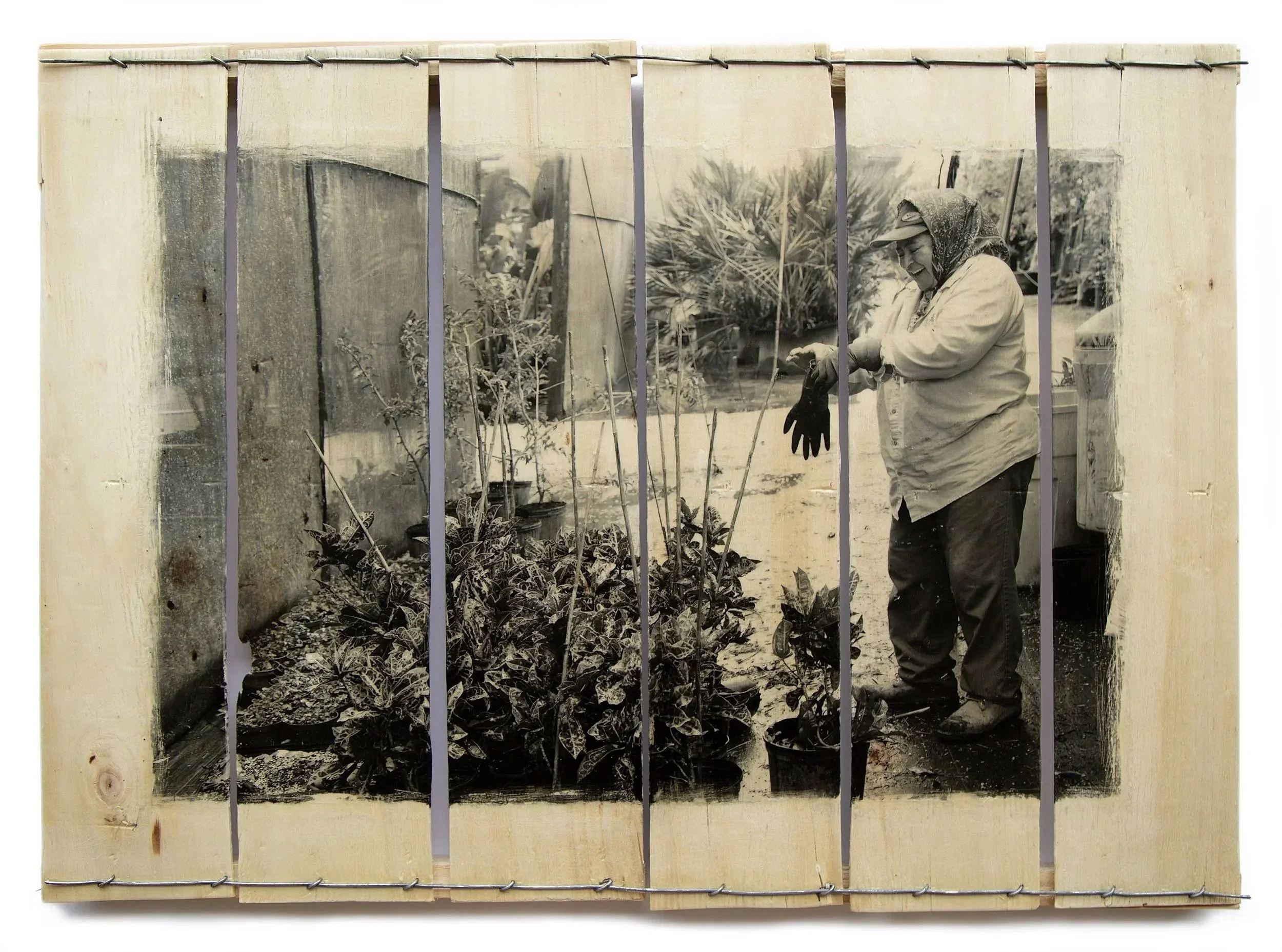
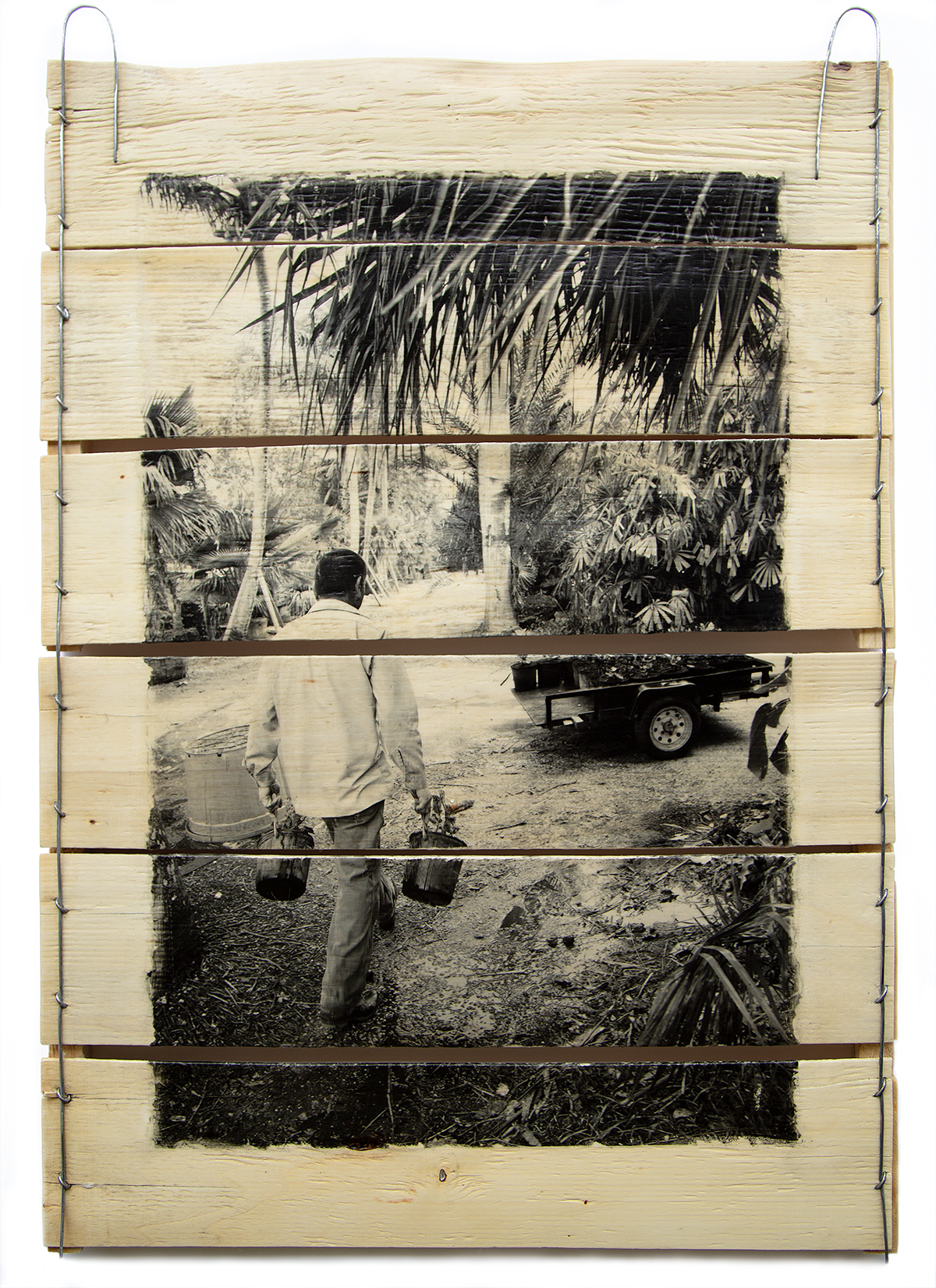
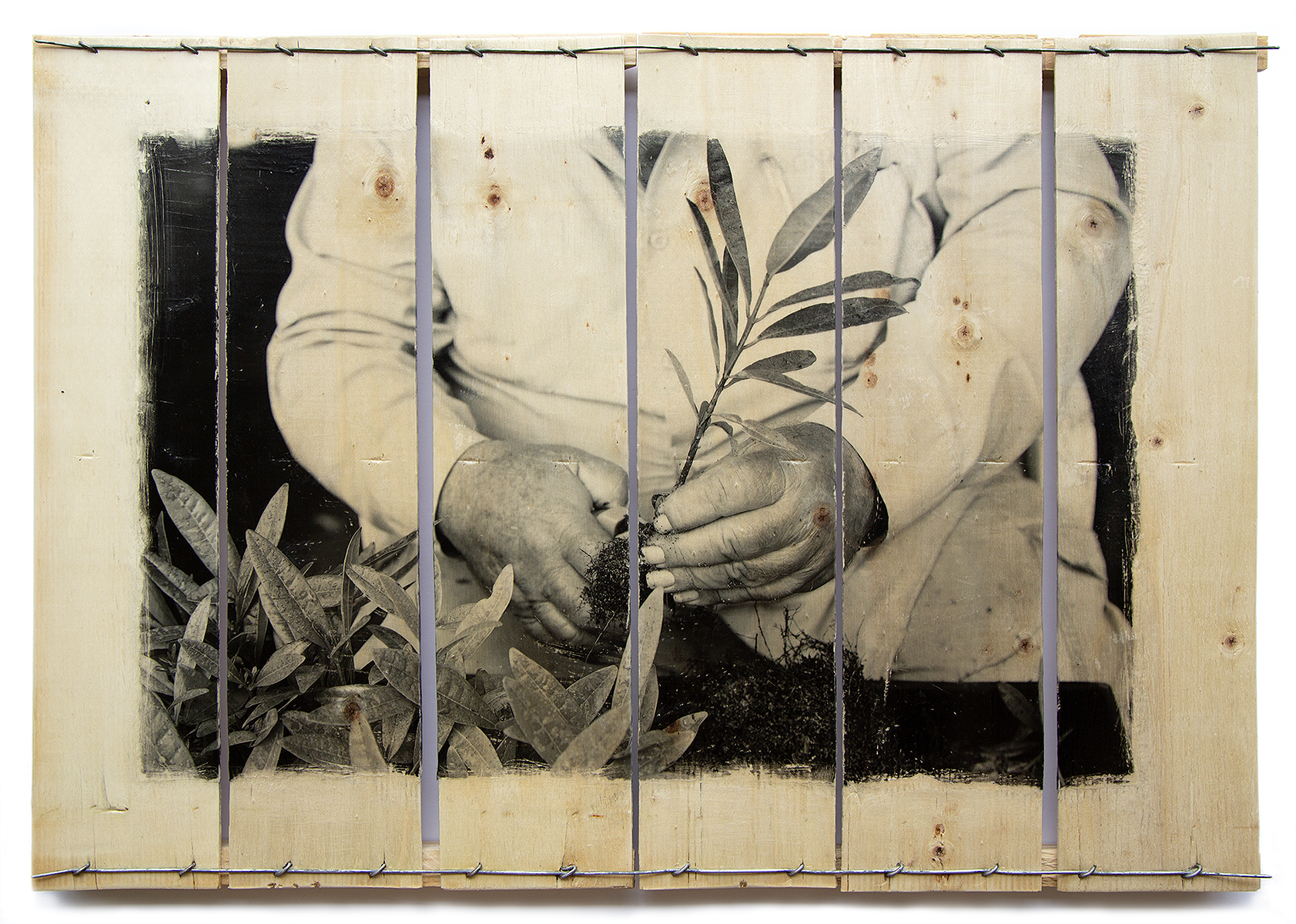
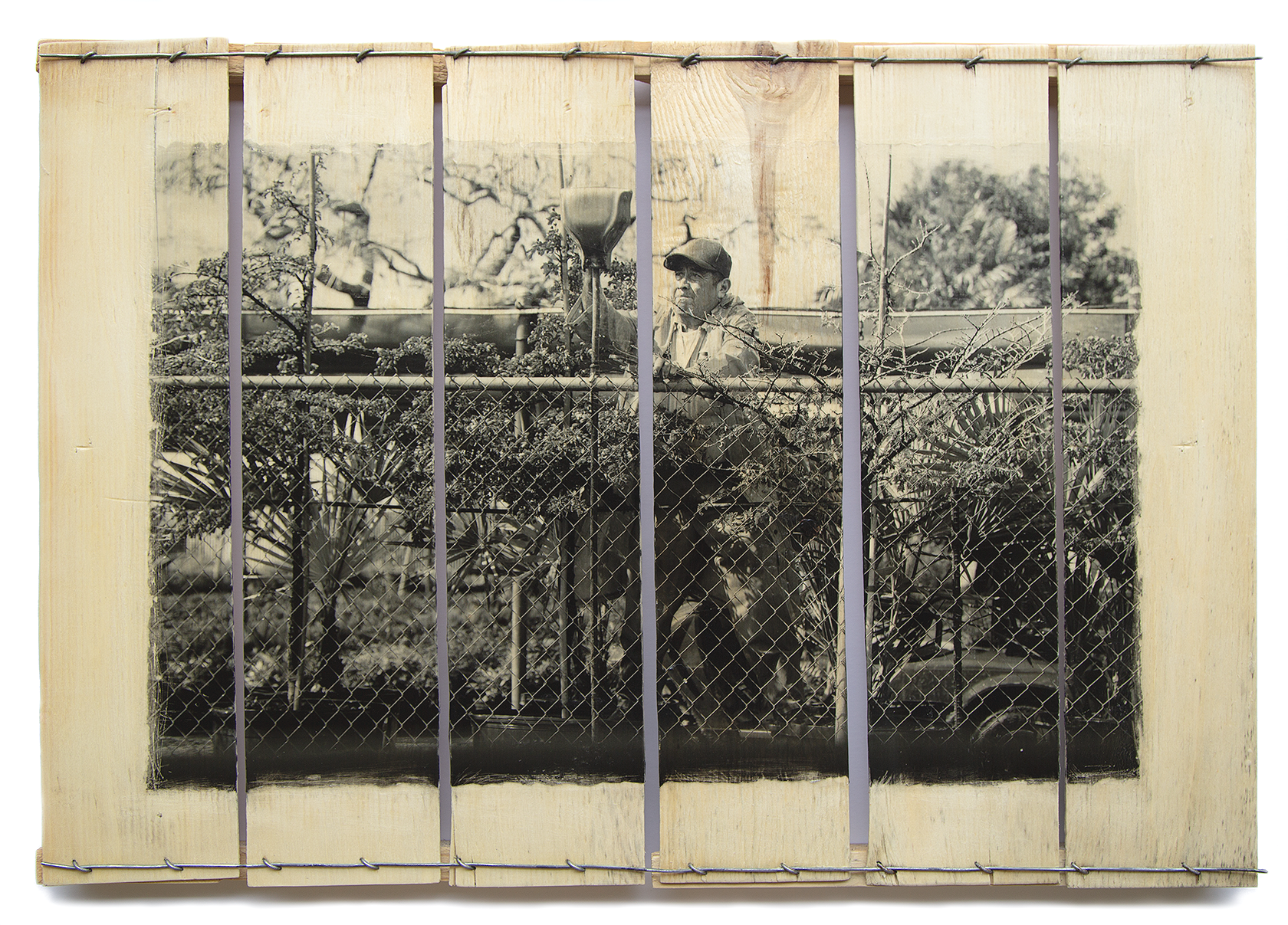
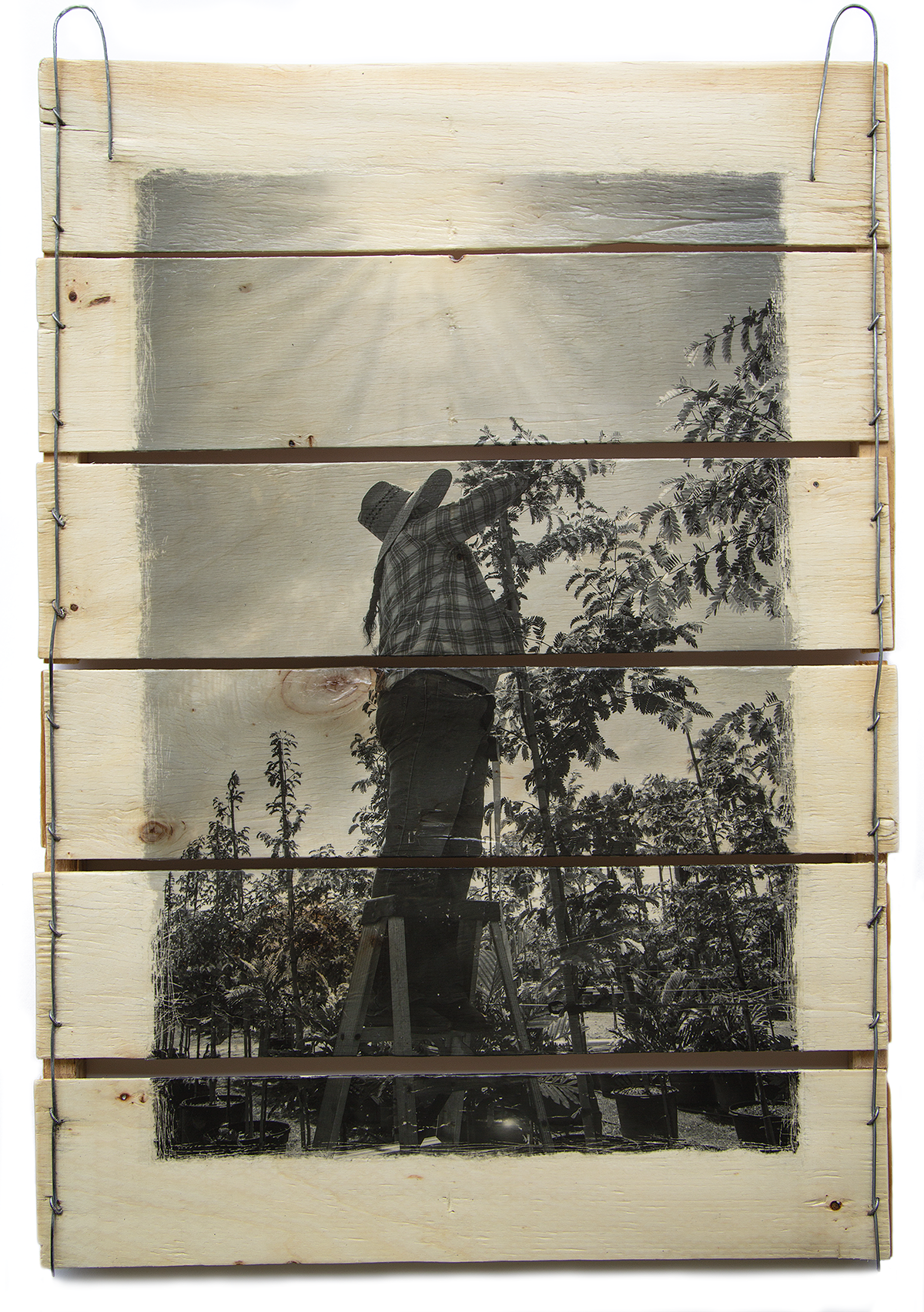
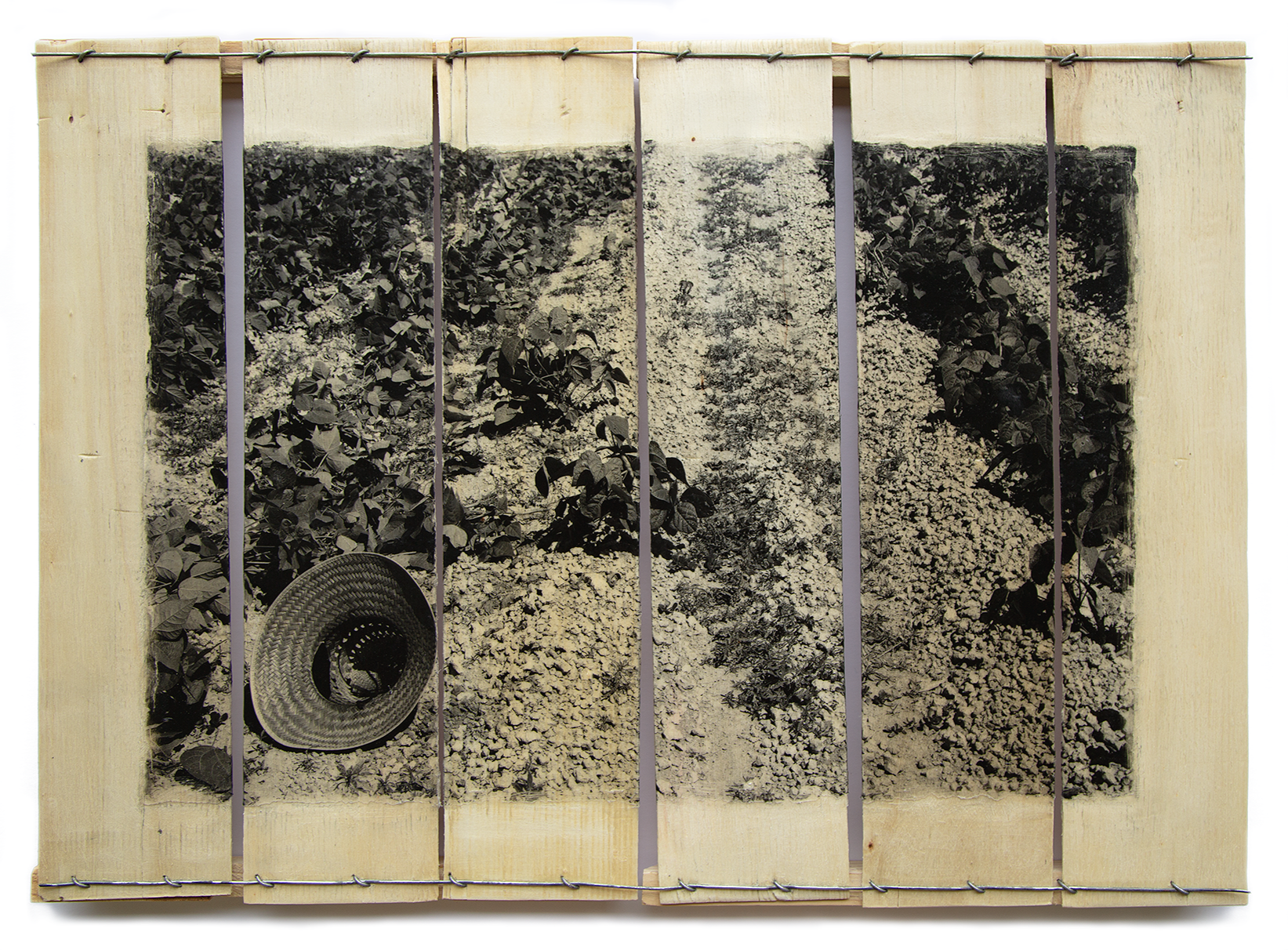
Images are transferred onto wood produce shipping crates from Florida. Transfers symbolize the transition of an outside element “immigrating” and becoming attached and apart, integrally transplanted, and now inseparable of the substrate (Homestead) and its meaning, value, and worth. The indexical nature of photography mirrors the crate that immigrants touch. What happens when that is no longer there? Like not having light touch the negative (or sensor), nothing is produced. Their presence imprints on our lives. The use of new and old processes in black and white are utilized to give the subjects the dignified historical significance they deserve while including modern clothes and elements to bridge the time gap and illustrate their significance and contribution today. To the immigrants of Homestead and around the country, it no longer feels like a homestead where their family can make its home.
2017/Present
16 ¾” x 23”, 23” x 16 ¾“ Photographic Skins transferred onto wood crates Inquire for edition and price
© 2026 Gina Phillips